A beginner’s guide to choosing the right snowboard for you
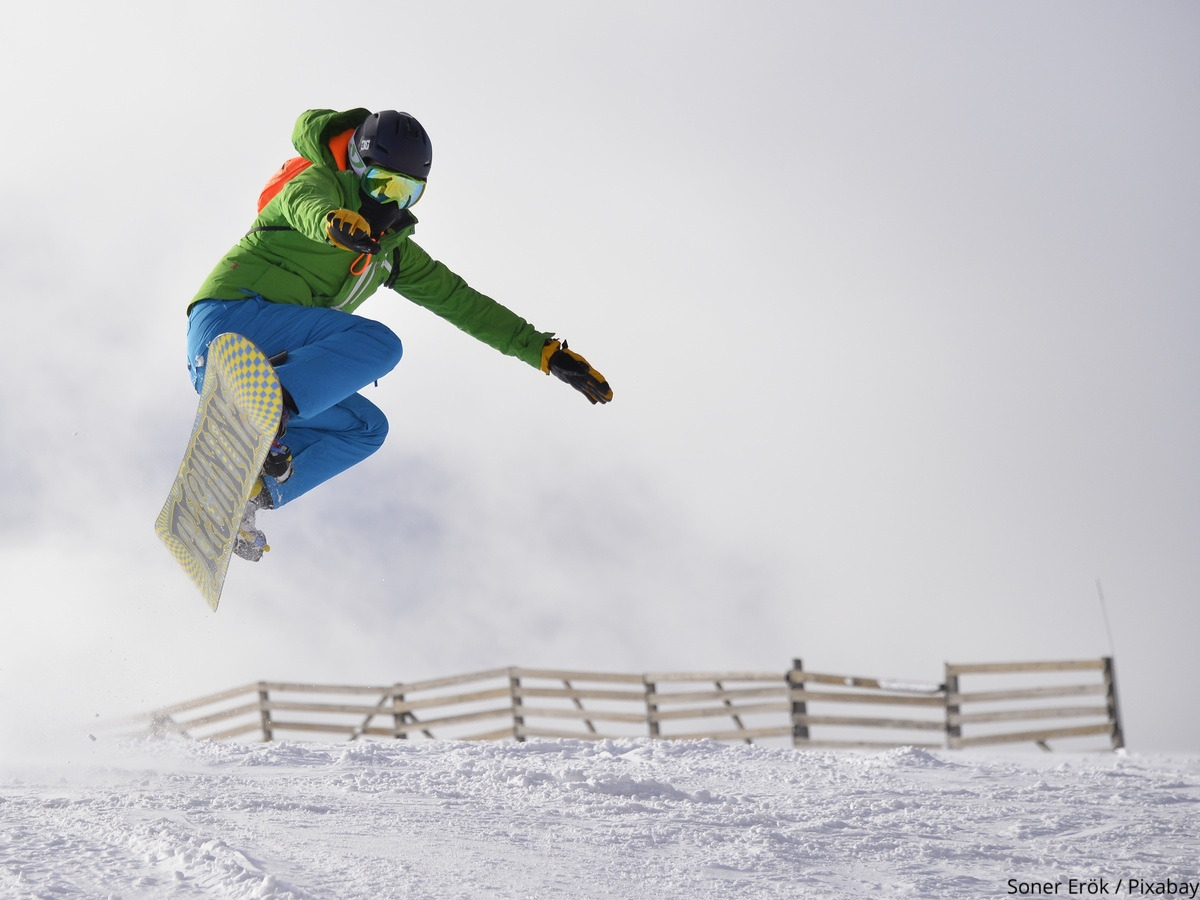
Like many before, you have got the snowboarding bug – maybe you’ve hit your local real snow indoor slope a few times or possibly have been on a ski trip where you rented your equipment. But now you are ready to invest and buy your own kit.
As with all big purchases, there is excitement but also a lot of questions and things to consider before parting with your hard-earned money. Here we aim to answer some of those questions and provide a beginners guide to choosing the right snowboard for you.
6 key factors to consider when choosing a snowboard
1. Riding Style
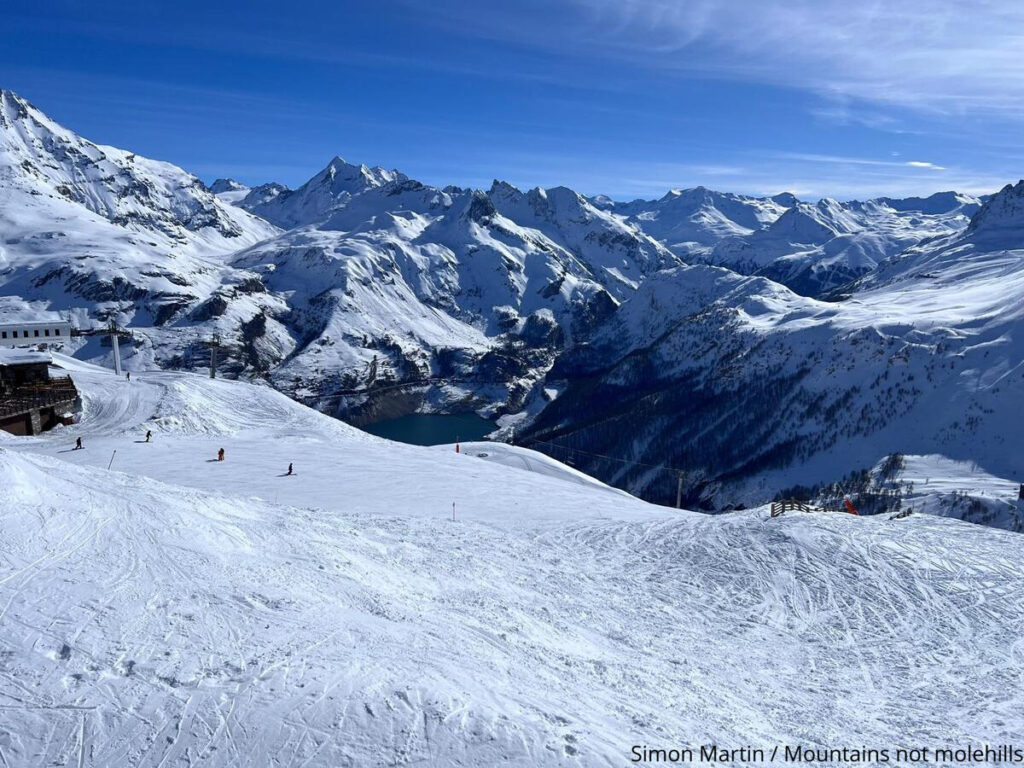
The type of riding style you adopt has a big influence on the type of snowboard you should be looking at. Most beginners do well looking at all-mountain boards as these tend to be the most versatile and best suited to UK and European conditions.

Those wanting to hit the parks and master some tricks will lean towards a freestyle/park board. These types of boards are shorter and more flexible, which makes them perfect for snow parks or the ramp/freestyle nights at your local indoor snow centre.
Freeride boards aren’t as well suited for the UK and European ski conditions as they are more directional boards designed mainly for powder and off-piste boarding.
2. Board Size
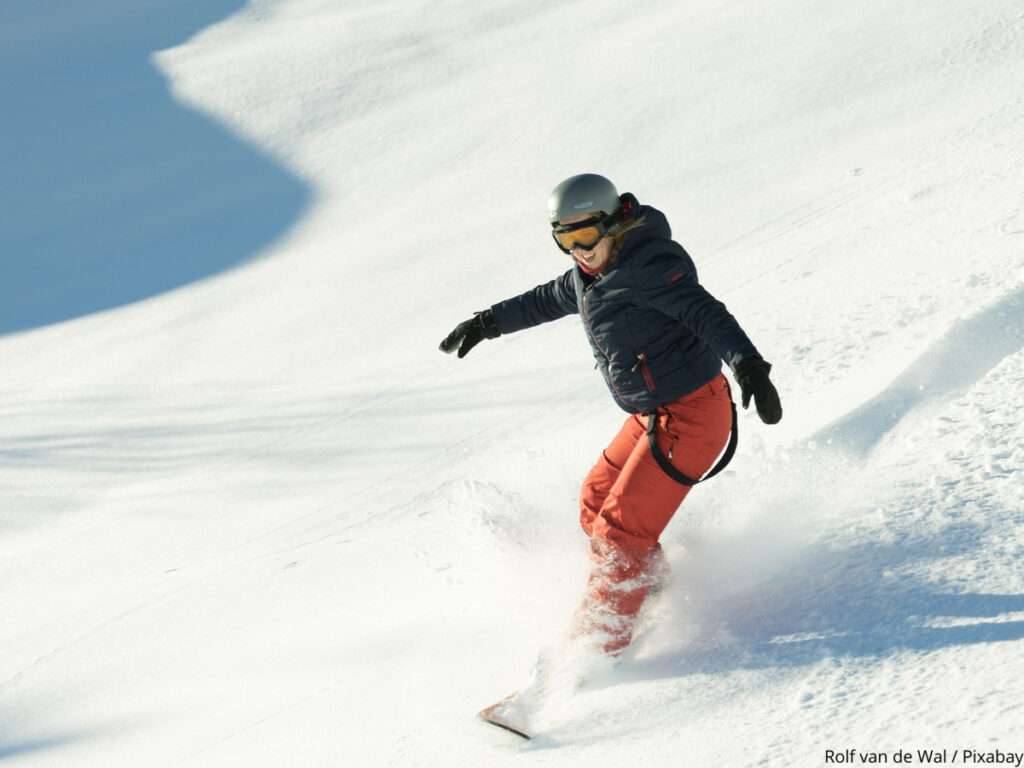
The rule of thumb when purchasing a snowboard is that when standing upright, the board should be between your chin and nose.
Make sure you also check the manufacturer’s recommendations regarding weight.
One other key element you need to consider is the board width. If, like me, you are a shoe size 10 or bigger (UK sizes) then you may need to look at purchasing a wide board to avoid toe/heel drag.

3. Flex Rating
Understanding the flexibility rating of a snowboard is essential to choosing the correct board for your intended use. The key thing to understand here is that there is no singular scoring matrix for flex, as different manufacturers mean different things when talking about flex – making it important to know what scale the manufacturer is using.
The reason for the differences is mainly due to what part of the board is being referred to. For example, flex is generally measured from nose to tail of the board (longitudinal flex) where the board may have stiffer flex between the bindings but a softer flex in the tip and tail. A broad way of measuring flex is shown below, but is certainly not an exhaustive list – as stated above, always refer to manufacturers recommendations.
- Soft flex (1–2): Easier to control; best for beginners and park riders.
- Medium flex (3–5): Balanced; suitable for progressing riders.
- Stiff flex (6–10): Advanced; better for speed and control in deep snow.
4. Camber Profile
Choosing the right camber profile is right up there with the most important things to consider when choosing a snowboard as a beginner in my opinion. If you aren’t familiar with what a camber profile is – this is best described when looking at the snowboard from the side.
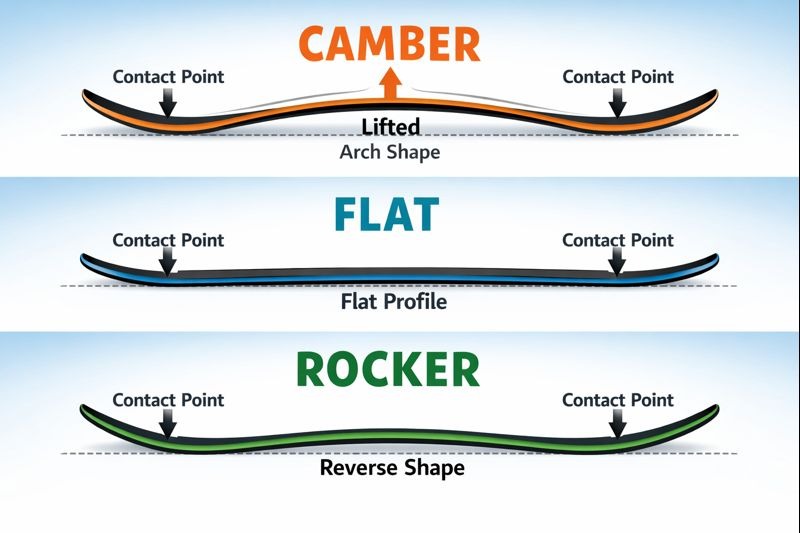
One of the main reasons for its importance in this list is because for a beginner it is important to get the right type. Beginner snowboarders need more stability so a flat to rocker or hybrid camber are probably the best types to consider. A completely flat profile will increase the likelihood of catching an edge which will hinder progress, so generally shouldn’t be a consideration for beginners.
5. Budget
As a beginner it can be daunting deciding how much to spend on this new piece of kit – especially if you only go away once a year. Beginner boards are generally priced with the fact in mind that as a beginner you may not be willing to spend as much as those who are more seasoned and know exactly what they want.
Expect to pay anywhere from £300-£450 for a decent entry level board, anywhere from £150-£250 for boots and £150-£250 for bindings. It is worth looking at different retailers such as Snow & Rock, Decathlon, Absolute Snow or Ellis Brigham who usually offer decent bundle packages.
6. Boots First, Board Second
It is always tempting to go straight for choosing your board first, but it is more important to choose your boots first. Anyone who has spent a day or more on the mountain knows the importance of good fitting boots. Choosing your boots first also helps with choosing your board – ensuring you get the right size board. When I bought my first snowboard I had to size up in my boots, which then led me to buying a wide board.
Obviously there will be plenty more to consider as you grow into snowboarding – but essentially I would always suggest that buying a true beginner board that meets your riding style, weight and size requirements should be your main focus. The temptation might be to purchase a more intermediate board first with faster progression in mind, however, this could well hinder progress rather than enhance it.
If you have spent a few weeks on a mountain with rental gear and found you progressed quickly, then an intermediate board could be a good choice, however, if you don’t already have a good idea of your progression speed I would stick with beginner boards – you can always sell it and purchase a more advanced board further down the line.