How Winter Hiking Can Reduce Stress and Mental Overload

Winter has a habit of piling things on. Short days, busy schedules, constant noise, and the pressure to keep going when energy is already low can leave the mind feeling cluttered and overloaded. One of the simplest ways to cut through that mental noise is to get out for a walk in the hills during winter.
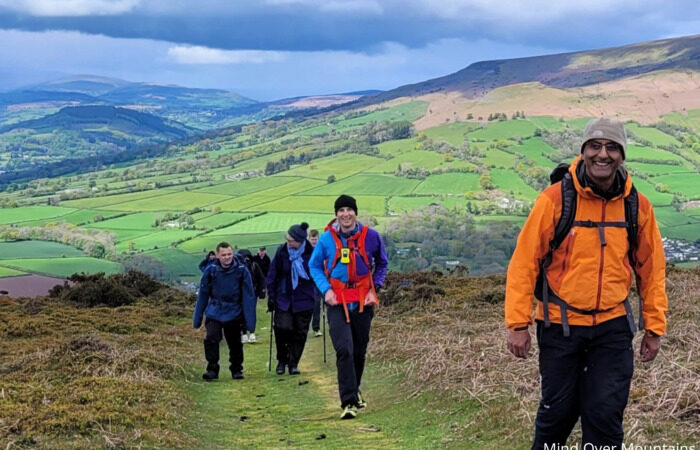
Winter hiking is naturally slower than any other time of year. The cold air, heavier boots, extra layers and taking more care about out foot placements encourages a steadier pace. Forget about racing to the summit or how many miles/steps you have clocked — winter is all about moving deliberately. That slower rhythm gives the mind space and time to settle, breaking the constant rush that often drives stress.
Quieter trails and fewer distractions
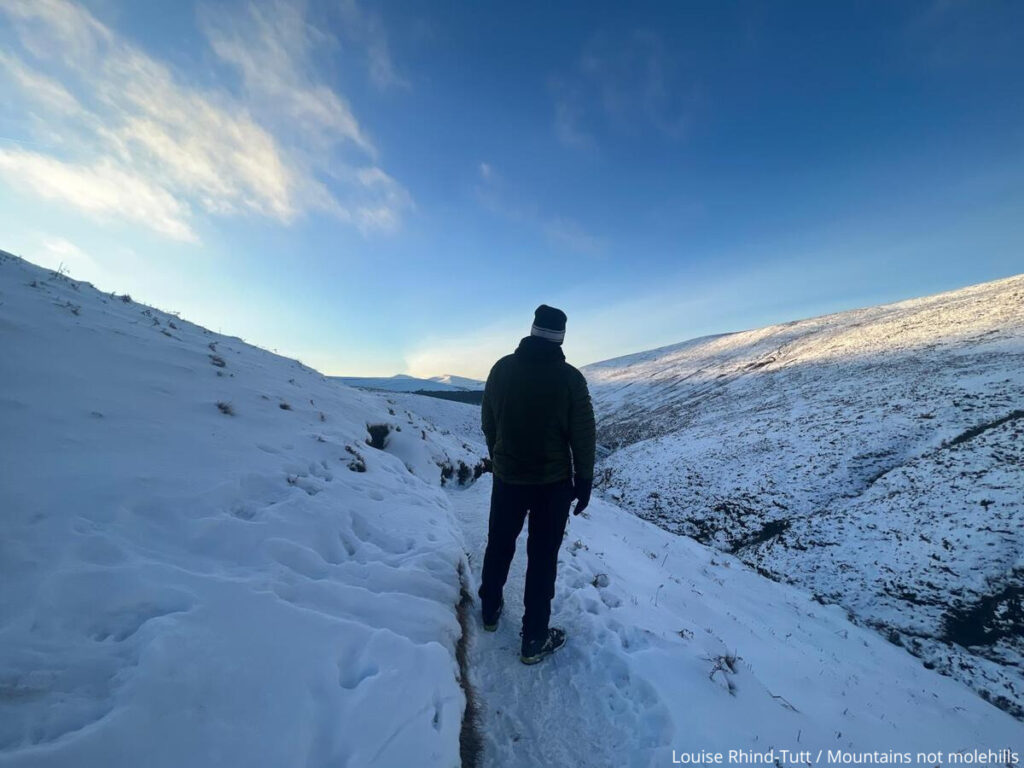
Finding quieter trails during any season throughout the year is always a joy for me. In winter with many people retreating indoors once the temperatures drop, those emptier paths become easier to find and quite often even more picturesque.

Fewer voices, fewer distractions, and long stretches of silence can create an environment where the brain is finally able to switch out of “alert mode”. Without constant external input, mental overload eases, and thoughts begin to untangle themselves naturally. I am currently completing a Project Management course while working full-time. Although I enjoy the challenge, I sometimes struggle to concentrate on my coursework. When this happens, I step away from my desk and go for a 60–90 minute walk in the cold air. The benefits are immediate: the walk helps me untangle problems, and by the time I return, everything feels much clearer.
There’s also something grounding about winter landscapes. Stripped-back hillsides, bare trees, frost or snow underfoot — everything feels simpler. For me nothing calms me and allows my worries to shrink and priorities to come back into focus quite like those winter landscapes.
Winter hiking doesn’t remove stress entirely, but it changes your relationship with it. Problems can feel more manageable after time spent outside, and mental clutter often fades with each step. Speaking from personal experience I return calmer and clearer-headed than I was prior to the walk.
Epic adventures aren’t a necessity
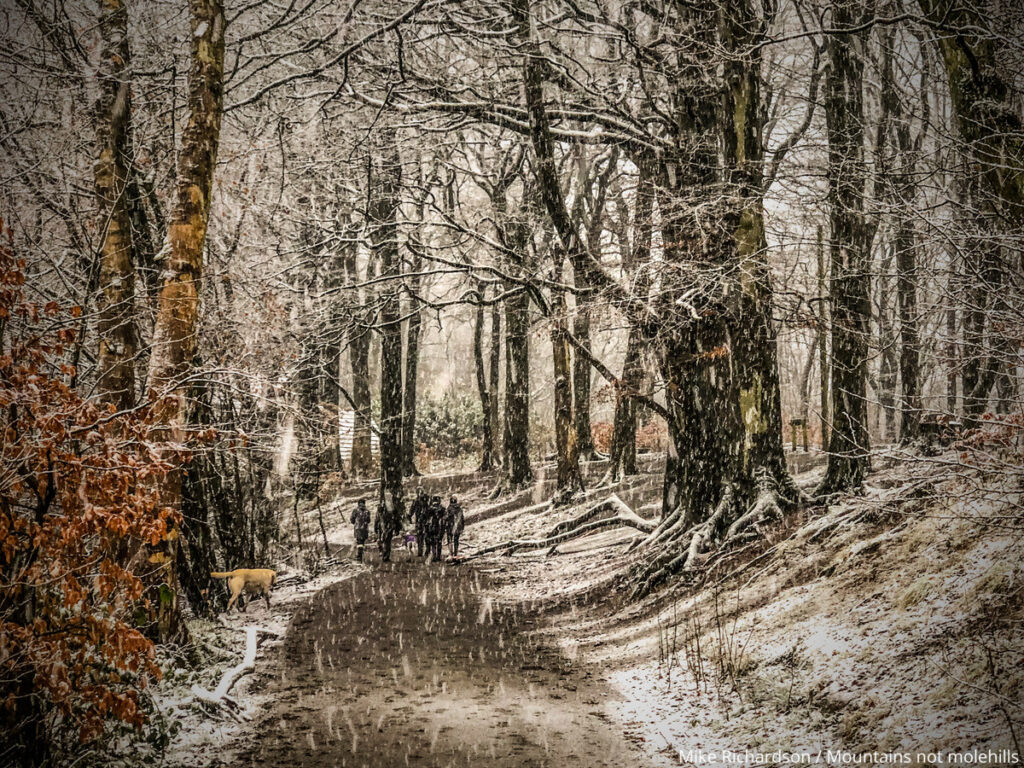
You don’t need epic conditions or long routes to feel the benefit. A short walk, taken regularly, can be enough. In winter especially, stepping outside and into the hills is less about escape — and more about restoring balance when you need it most.
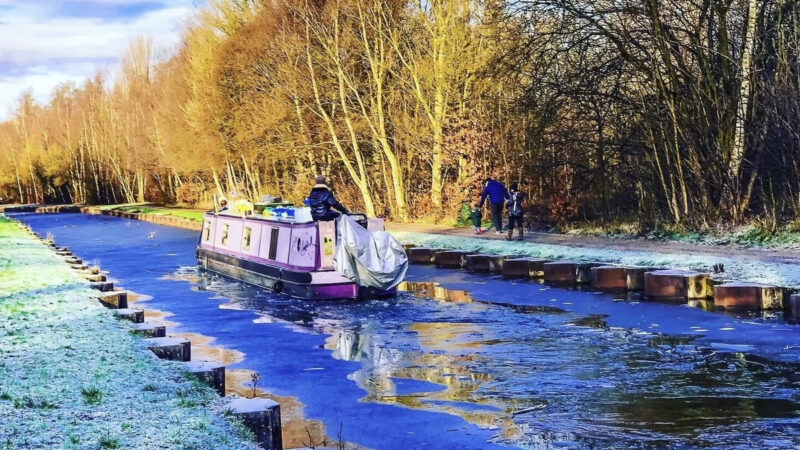
Whilst I am lucky enough to currently live on the border of the Peak District, which, has opened up a new world of winter walking opportunities — I got exactly the same benefits from walking down my local canal and loop lines before moving here.

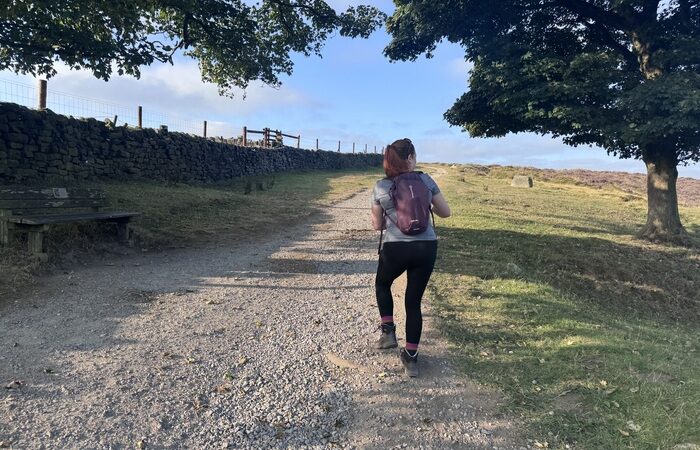
Currently a particular favourite walk of mine to complete is a short loop of Baslow Edge — this takes roughly two-hours with minimum effort and stunning views. With this in mind we created a list of our favourite 5 winter hikes in the Peak District. So whether you are heading for the hills, walking your local canal or woodland area don’t overlook the benefits that winter walking can have reducing stress and mental overload.