Top ski destinations beating the snow shortage in 2025/26
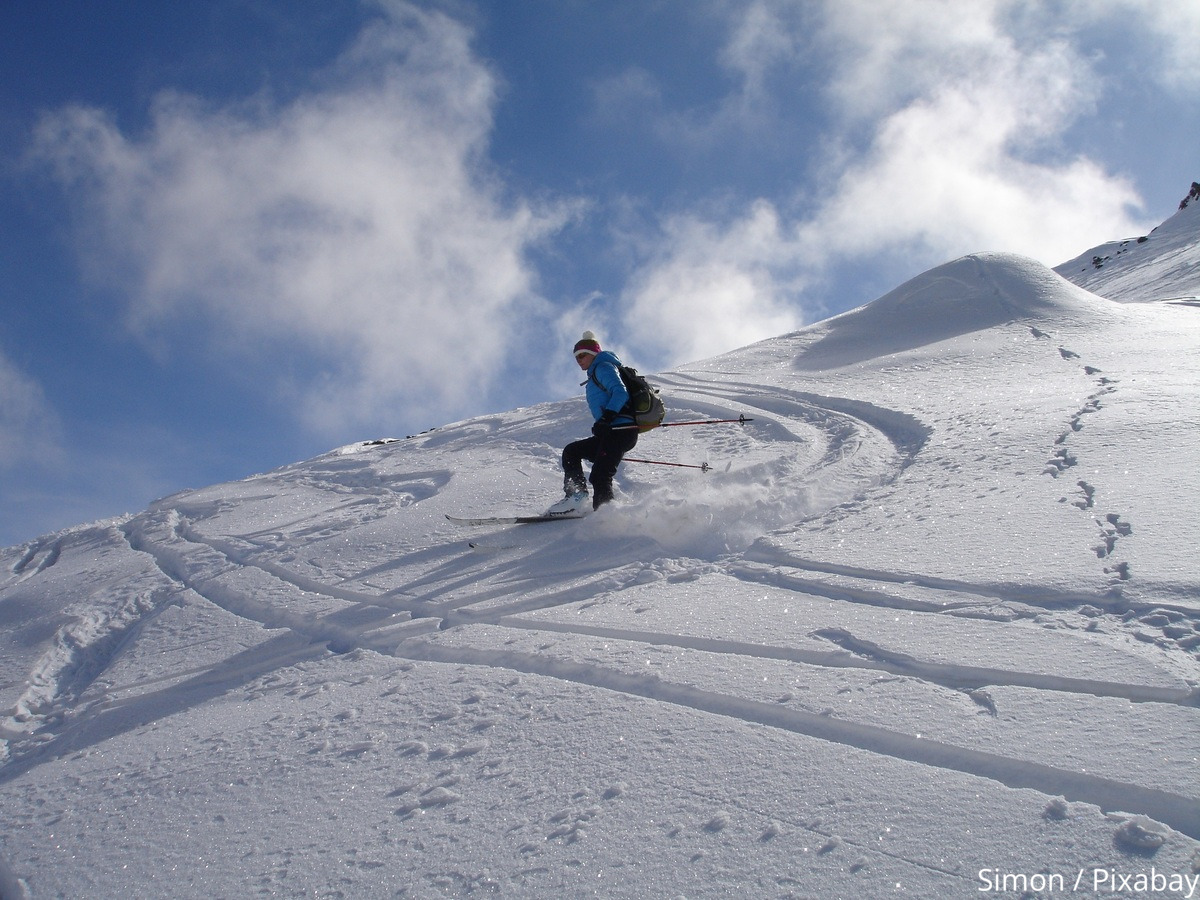
With winter snowfall becoming increasingly unpredictable, travellers are paying far closer attention to where they book their next ski holiday. Warmer winters are affecting much of the Alpine arc, shortening seasons and leaving some lower-altitude European resorts struggling to operate consistently. As a result, travel experts are advising holidaymakers on how to plan trips more strategically by prioritising value alongside snow-sure destinations.
Research shows that 65 per cent of people say rising winter holiday costs would make them reconsider their destination this season, while a growing number report they are more likely to choose high-altitude resorts based on recent snow conditions and reliability.
Laura Carden‑Lovell, travel expert and head of operations at Transfer Travel, explains, “What we’re seeing is a shift in how people plan ski trips. Rather than defaulting to the biggest Alpine names, travellers are looking more closely at snow reliability, altitude and what’s included once they arrive. Resorts that combine dependable conditions with bundled extras often deliver better overall value, even if the headline price looks similar.”

Against that backdrop, several destinations are standing out for their ability to balance snow reliability with realistic pricing, particularly for those looking to book a last-minute trip before the season ends.
Bansko, Bulgaria
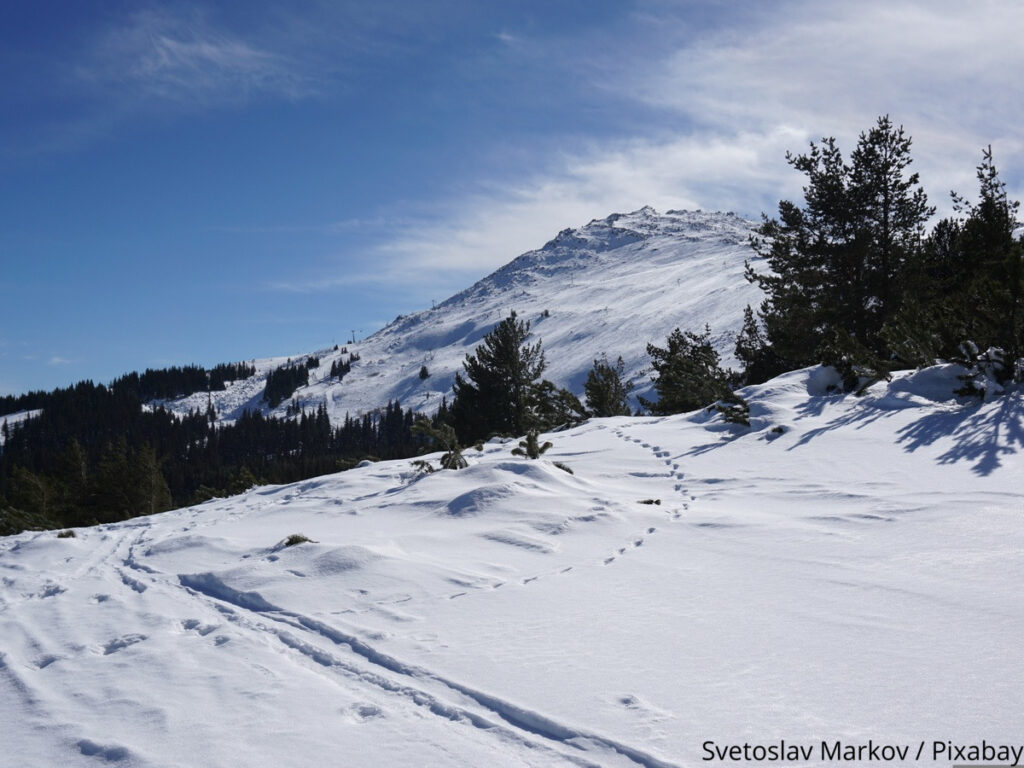
A favourite for budget‑conscious skiers looking to keep costs down, Bansko offers great value both on and off the slopes. A four-day adult lift pass typically costs around £198, compared to £300 for the same pass at popular Alpine resorts like Val Thorens.
The resort village sits at around 990m, with skiing rising to approximately 2,560m on the upper slopes. While Bansko isn’t among Europe’s highest resorts, it benefits from an extensive snowmaking network that helps keep key pistes open when natural snowfall is inconsistent, making it a reassuring option in lower-snow winters.
Recent snowfall has opened much of the ski area, bringing fresh powder across the mountain and improving conditions at higher elevations. Combined with affordable dining at under £9 for an adult meal, Bansko remains one of Eastern Europe’s most accessible and best-value ski breaks for skiers looking to keep costs down without sacrificing ski time.
Jasná, Slovakia
Set in Slovakia’s Low Tatras, Jasná has built a reputation as one of Europe’s more snow-reliable ski destinations. Its season typically runs from early December through to late April, with stronger snow years stretching into early May. That longer season gives skiers more flexibility to travel outside peak periods, when flights and accommodation are often cheaper.

The resort centres on Mount Chopok, which rises to around 2,024m and offers a good balance of north- and south-facing slopes, helping snow last longer across the mountain. Natural snowfall is backed up by an extensive snowmaking system to keep key runs open, and when fresh snow arrives, skiers can often enjoy powder conditions.
Costs remain one of Jasná’s biggest draws. Four-day ski passes are £218, and dining is significantly cheaper than at many established European ski resorts, with on-mountain meals from just £10. Over the course of a week, those savings mount up, making Jasná an appealing option for skiers looking for snow-rich terrain without high overall costs.
Grandvalira, Andorra
Stretching across the Pyrenees, Grandvalira is Andorra’s flagship ski area, offering more than 210 km of marked pistes. It delivers a true big-mountain feel, with a resort base around 1,710 m and skiing rising to roughly 2,640 m at the highest points.
Snow reliability is a major part of the appeal. Average seasonal snowfall sits at around 134 cm, and around 65 % of the terrain is covered by snowmaking, helping to keep large parts of the area skiable throughout the season. This combination supports a long ski season, typically running from early December through to late April, creating more flexibility for travelling outside peak school holiday periods.
Grandvalira also stands out for overall value. While ski passes are comparable to other resorts, a four-day ski pass usually costs £216, and Andorra’s tax-free status helps keep food, drink and accommodation costs lower. Flights to nearby airports such as Toulouse can also frequently be found for under £50 return outside peak dates, making the overall trip notably better value than other Alpine equivalents.
Myoko Kogen, Japan
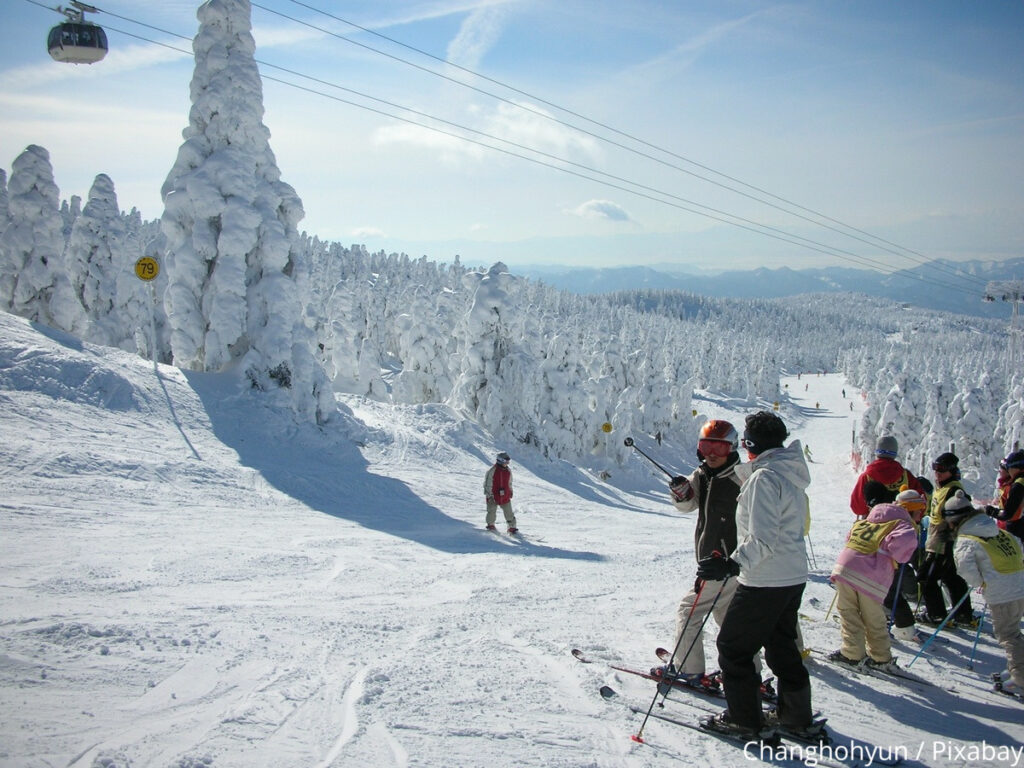
Looking beyond Europe, Myoko Kogen is one of the most snow-rich ski regions in Japan and a major draw for powder seekers. Annual snowfall totals of around 13–15 metres deliver consistently deep conditions that few regions can match.
While flights to Tokyo can cost around £700 return, getting to the slopes is straightforward, with Myoko Kogen around a 45-minute train journey from Tokyo. Once there, the savings quickly become clear, with a three-day ski pass costing around £142, which is significantly cheaper than many major European ski destinations.
Added to that is the wider appeal of skiing in Japan, where the experience goes well beyond the slopes. From traditional onsen hot springs to local food and mountain towns, the cultural side of a ski trip to Myoko offers something that’s hard to match elsewhere, alongside some of the most reliable powder skiing in the world.
Banff, Canada
If you’re considering North America, Banff is one of the most reliable options for guaranteed snow. Located in the Canadian Rockies, the area includes three resorts: Banff Sunshine Village, Lake Louise and Mt Norquay.
Sunshine Village reaches elevations of around 2,730m, helping to guarantee consistent snow conditions across a long season that typically runs from early November to May. Compared to the European resorts facing shorter and less predictable seasons, Banff offers far greater reliability, particularly in early and late seasons.
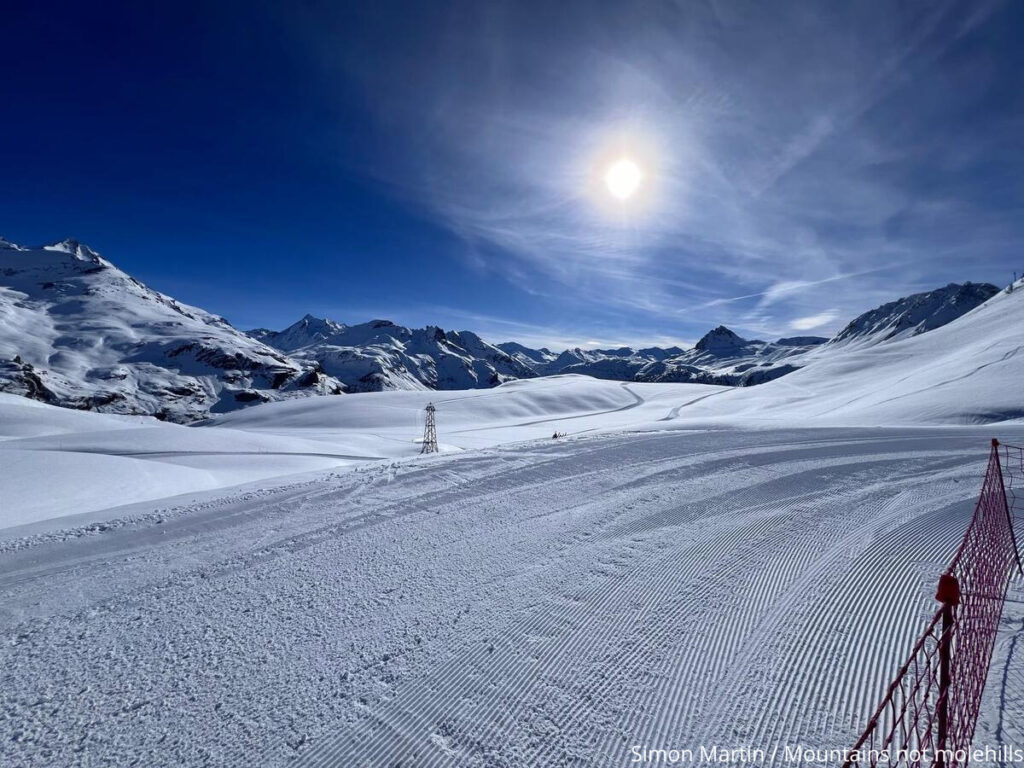
Indirect return flights can be found for under £400, and while flights add to the overall cost, lift pass prices are not far off European rates. A three-day ski pass covering all three mountains costs around £280, comparable with peak-season passes in major Alpine resorts. The pass also includes free ski shuttles and complimentary hotel pick-ups, removing the need for car hire or paid transfers and helping to reduce overall costs once in resort.
With reliable snow, Banff is a practical and good-value option for skiers prepared to travel further in exchange for guaranteed conditions.
Carden‑Lovell adds: “With snow levels becoming harder to predict and budgets under pressure, now is the time to be more strategic about your ski plans. Choosing destinations with higher elevations and strong snow management, or genuinely great value alternatives, can make a real difference. Being flexible on dates, particularly looking at early January or spring weeks, also often unlocks better pricing. Finally, don’t overlook resale deals and late offers, as they can help you enjoy a fantastic winter holiday without paying premium rates.”