Money expert reveals ‘harmless’ ski tradition that can cost £10,000
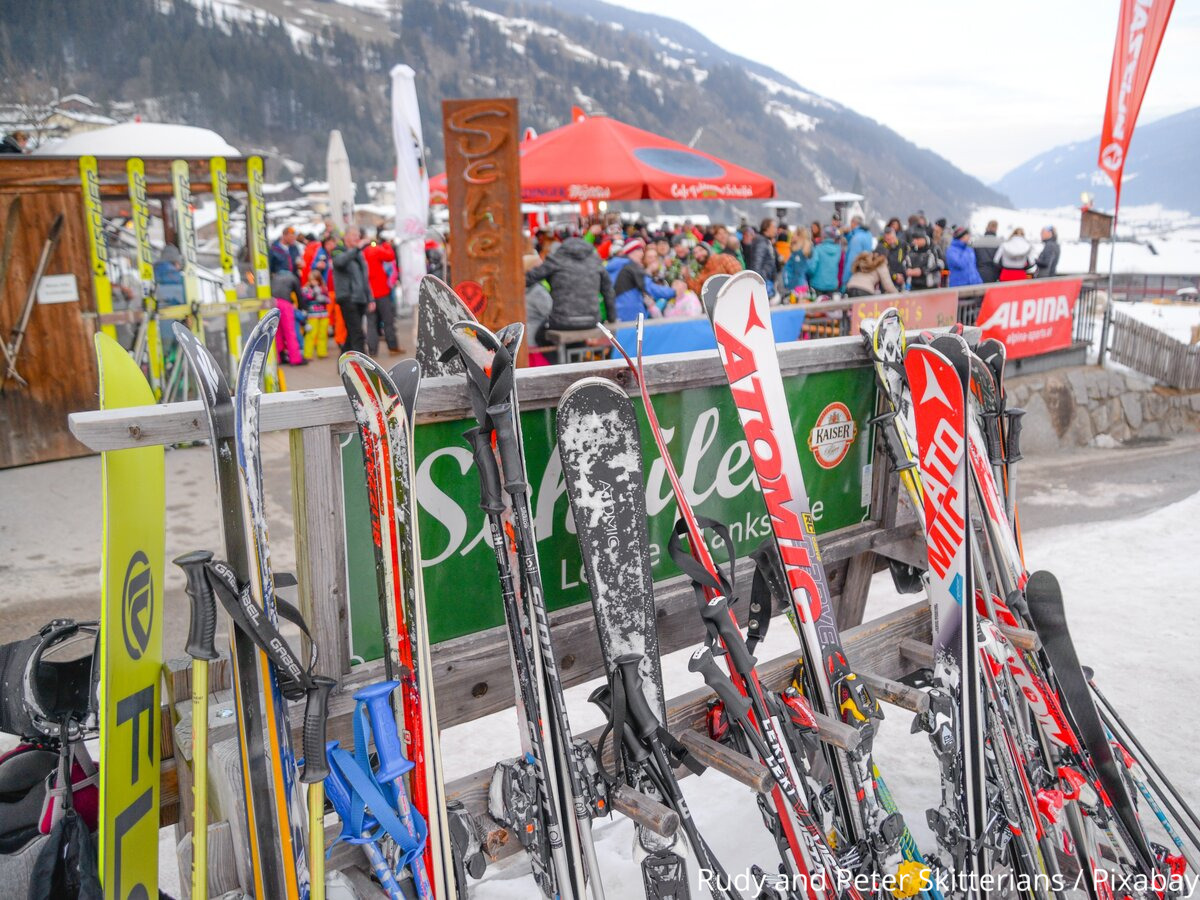
British skiers are being urged to carefully check the fine print of their travel insurance, as failing to do so could leave them making £££ out of pocket expenses while hitting the slopes this winter.
With the 2025/26 ski season in full swing, and demand for adventure holidays booming, experts say the risks are higher than ever. The UN World Tourism Organisation has identified the UK as Europe’s largest adventure tourism market, accounting for almost one in five of the world’s adventure travellers.
Hannah Mayfield, money expert working with specialist travel insurance comparison site PayingTooMuch, warned that even travellers who buy winter sports insurance could still find themselves uninsured in one all-too common instance.

“Seasoned skiers, snowboarders and winter sports enthusiasts know they need specialist insurance,” she explained. “But do they really know what they’re actually covered for?”
Hannah warns that it’s often this one thing that adventure goers always fail to watch out for.

“Après ski is a fun tradition but it’s important to remember to be safe as excessive drinking or partying can lead to accidents. In some cases, it may even invalidate your insurance cover if an incident occurs while under the influence.”
Since there’s no law against drinking and skiing, people often mix both activities on the slopes.
In general, ski travel insurance safeguards you only against snow-related risks such as lost, stolen, or damaged equipment, ski passes, rental fees, unused ski school, or instructor fees, and even incidents like avalanches and landslides as well as cover for baggage, cancellation, medical emergencies and repatriation.

“The harsh reality is that if you fail to read the terms of your policy and what you’re covered for, you could face out of pocket expenses or medical bills that can be staggering if you have an accident. A helicopter rescue can cost thousands, a broken leg abroad may run over £10,000, and repatriation to the UK can top £30,000.”
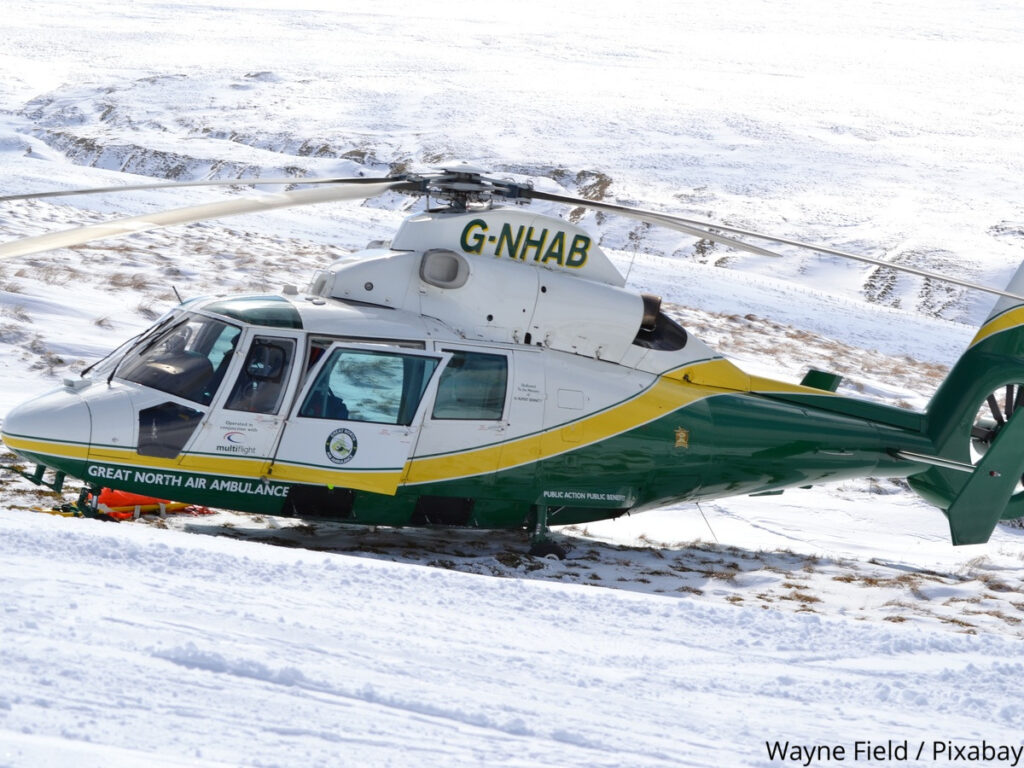
The PayingTooMuch Snow Sports Survey revealed that one in six skiers break a bone on the slopes, while almost a third of Brits head to the mountains with no insurance at all.
“Don’t just compare policies on price alone,” Hannah warned. “The cheapest option may not provide adequate cover making it worthless if you need to make a claim. If you’re looking for cover that’s tailored for specific activities like skiing and snowboarding, search for winter sports travel insurance which is specifically designed for that type of holiday. Always check altitude limits, off-piste rules, equipment cover and other activities before you buy. Spending a little more time upfront could save you thousands of pounds later.”