
Winter Kit Essentials: Why a Head Torch Is Essential – Especially in Winter
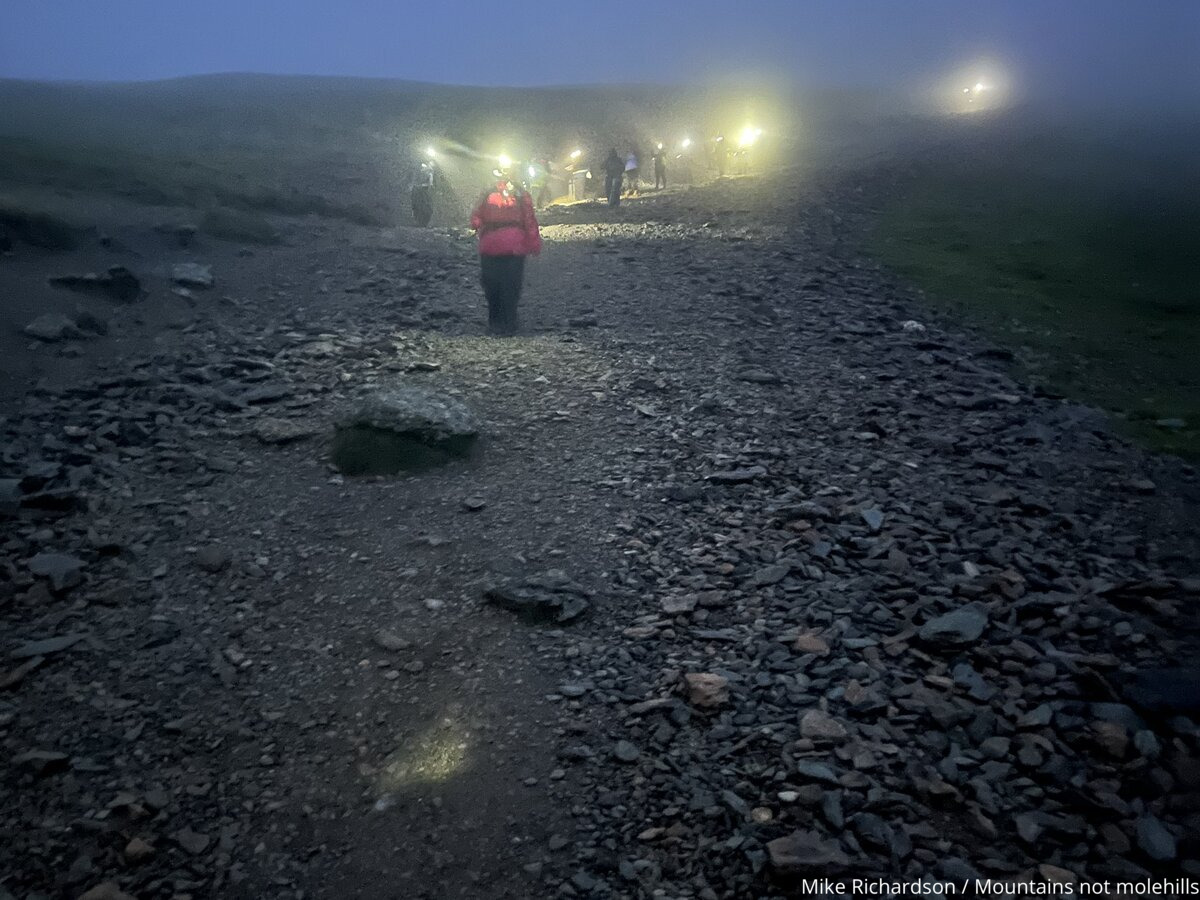
A head torch is one of those bits of kit that’s easy to overlook until the moment you really need it. In winter, however, it moves firmly from “nice to have” to “essential”, whether you’re heading into the hills, walking the dog, or simply navigating icy paths after work.
Why is a head torch essential in winter?
1. Shorter daylight hours
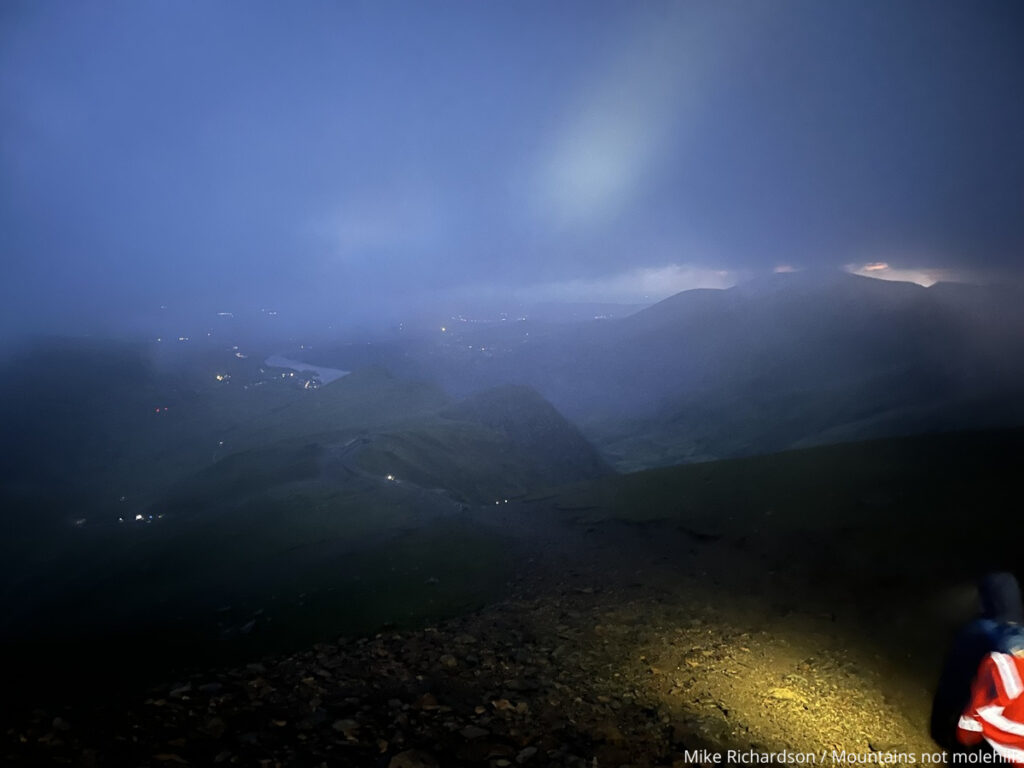
The most obvious reason is daylight. Short winter days mean darkness arrives earlier than expected, and poor weather can reduce visibility even further. A walk that starts in daylight can quickly turn into a night navigation exercise. A head torch ensures you can see where you’re placing your feet, spot hazards like ice or uneven ground, and read maps or signs when natural light disappears.
2. Hands-free hiking
Unlike a handheld torch, a head torch keeps your hands free. This is crucial in winter, when you may need poles for stability, your hands free for map reading, gloves for warmth, or both hands available to scramble, adjust layers, or even manage a dog lead. Hands-free light allows you to move more confidently and safely especially in the hills.

3. Safety and distress signaling
Cold conditions also make things more complicated when something goes wrong. A twisted ankle, a wrong turn, or a delayed return can quickly become serious after dark. A reliable head torch buys you time and options: you can retrace your steps, signal for help, or safely wait it out rather than stumbling blindly.
4. Useful in confined spaces
Modern head torches are lightweight, powerful, and efficient, with long battery life and multiple settings. Many now offer wide beams for walking, focused beams for navigation – particularly useful in caves or narrow tunnels, and low-light modes for preserving night vision or reading maps.
They also come in very useful in the confines of your tent. I’ve used my head torches as a lantern hung from the roof of my tent (I’d forgotten to pack my lantern) and it also came in useful when I was rummaging around the tent in the early hours for my car keys.
Points to consider
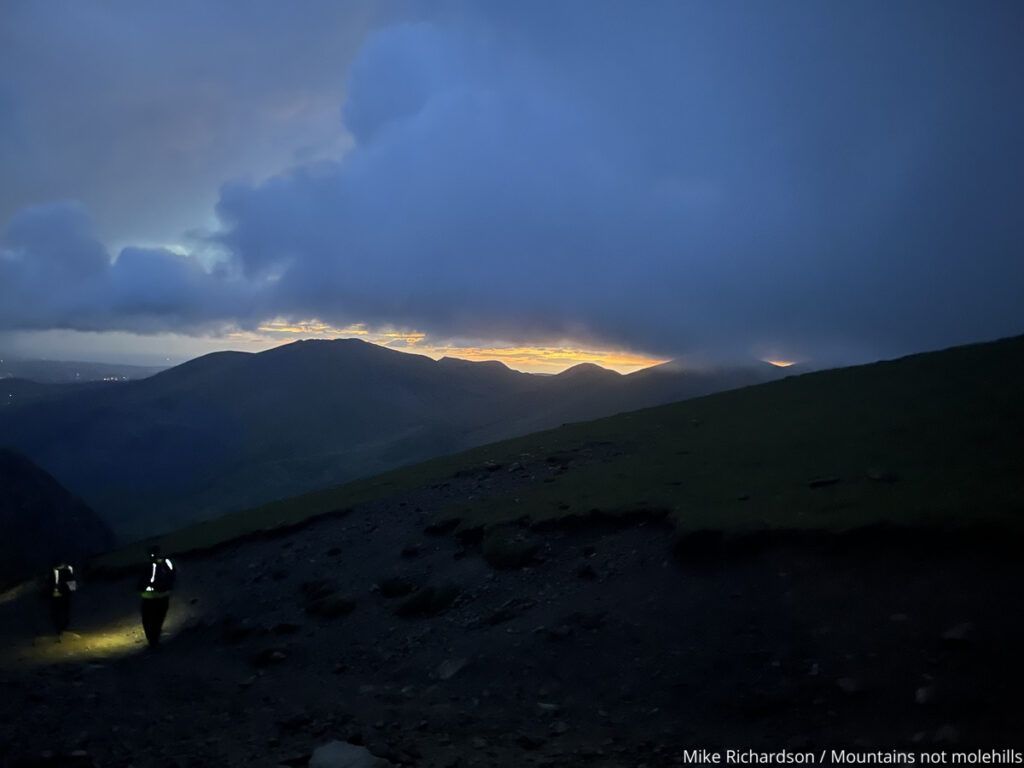
Ultimately, a head torch isn’t just about seeing—it’s about preparedness. Winter demands respect, and carrying a head torch is a simple step that significantly improves safety, confidence, and enjoyment outdoors. It’s one of the smallest items in your pack, but it can make the biggest difference.
Consider what activity are you doing and the requirements of that activity. For example a standard head torch is sufficient for walking the dog but you may need to consider a head torch with different features if you are heading into the hills. You should ensure the head torch has strobe options for distress signals in the dark as the slightest set back on a winter walk can leave you with less daylight than anticipated and can even result in you being out in complete darkness needing assistance.

These days there are a number of options available when choosing which head torch works best for your needs. Many ‘hike challenge’ operators such Charity Challenge who run the Hiking Snowdon at Night for Macmillan challenge insist on not only you having a head torch but having a certain spec in terms of lumens output. So if you are taking part in such a challenge be sure to check the specs of your head torch or keep it in mind when purchasing one.


