What Was The Kinder Scout Mass Trespass?
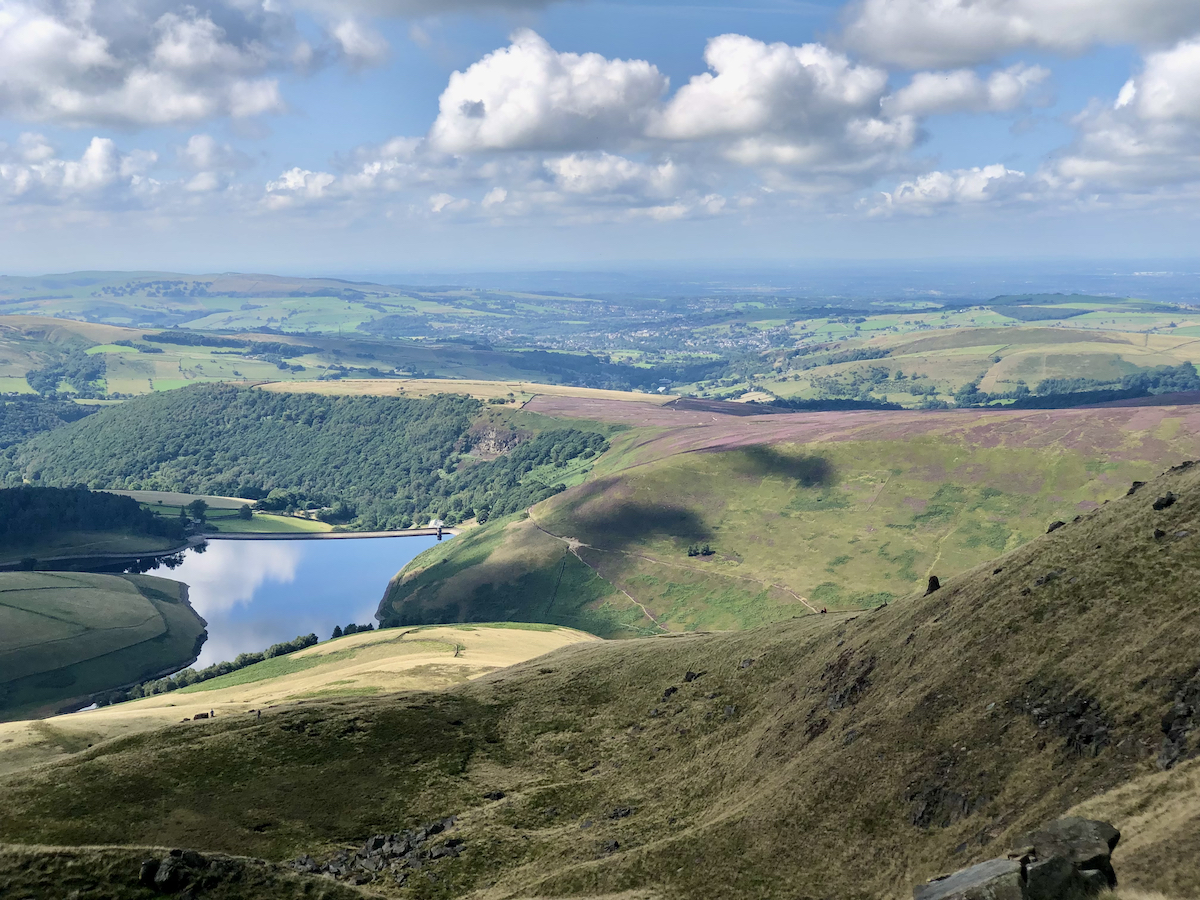
Imagine pulling on your walking boots and heading out for a walk knowing there is a good chance of a scuffle and the potential to be arrested? It seems unthinkable (well unless you are queuing for Snowdon’s trig point in the summer months maybe) but less than a century ago this was very much a possibility.
Walkers today owe a debt of gratitude to previous generations who fought for the “right to roam”. None more so, perhaps, than the hundreds of walkers who gathered near Bowden Bridge Quarry in Hayfield in 1932. Setting off towards Kinder Scout, their walk of defiance would soon become known as The Kinder Mass Trespass (still a popular route from Hayfield today). It would also end up in scuffles with gamekeepers and six arrests.
It was organised by 20-year-old Benny Rothman, the Lancashire secretary of the British Workers’ Sports Federation (BWSF). The Mass Trespass was essentially the build-up of frustration for people wanting to explore the countryside, only to find large sections blocked off by private land owners. This often led to scuffles with gamekeepers and, following one such scuffle some weeks before, the idea of the Mass Trespass was born.

“We ramblers, after a hard week’s work, in smoky towns and cities, go out rambling for relaxation and fresh air. And we find the finest rambling country is closed to us. Our request, or demand, for access to all peaks and uncultivated moorland is nothing unreasonable.” – Benny Rothman, speaking in his defence at the trial at Derby Assizes.
Why did the Kinder Mass Trespass happen?
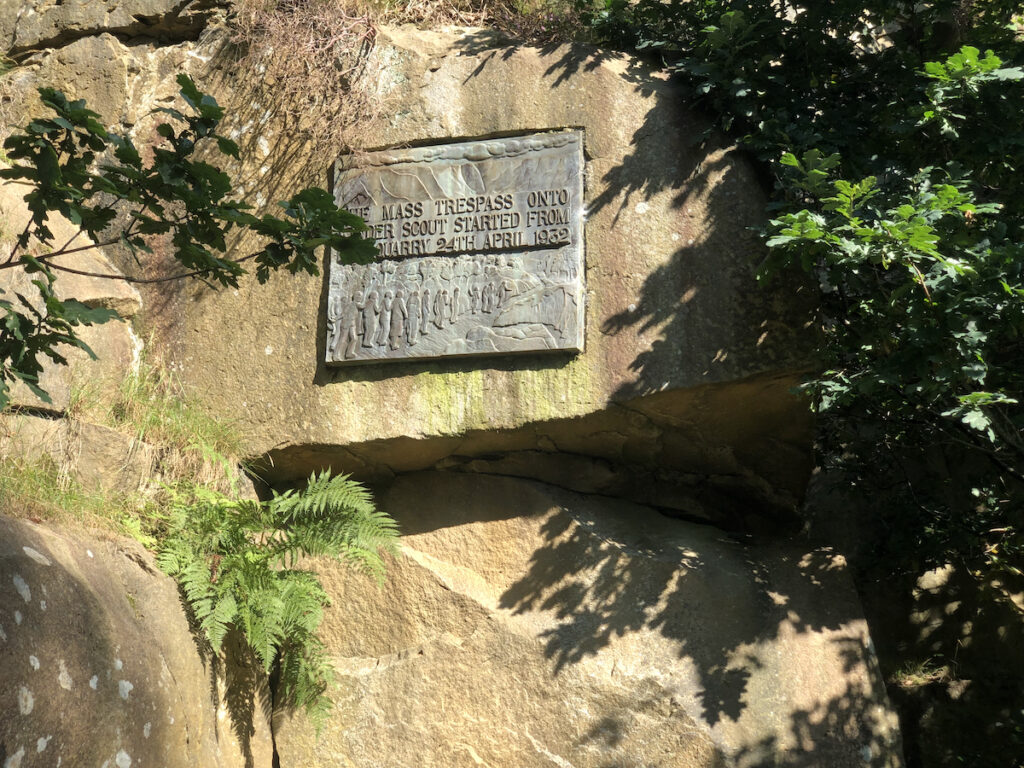
The main reason why the Kinder Mass Trespass happened was simply frustration. Walkers and ramblers could not explore open countryside because it was privately owned. The land was owned by the Duke of Devonshire – and was mainly managed for grouse shooting.
We all have different reasons for wanting to walk and usually more than one reason, however, most of us have at least one reason in common – to escape whatever is going on in our busy lives. Getting out in the fresh air, up in the hills enjoying nature and stunning scenery.
Back at the time of the Kinder Mass Trespass, there weren’t jobs such as Personal Trainers or Travel Agents. This was the time of the Industrial Revolution, with jobs primarily being based in factories, which were pumping out noise and pollution into the surrounding towns and cities.
The work was dangerous and involved long hours. So of course, escaping that to enjoy the countryside for a few hours would be high on most people’s priority list. Not being able to access the land didn’t go down well.

Benny Rotheram was just 20 years old at the time of organising the Mass Trespass. The idea was that ramblers from Manchester would meet up with people from other places, such as Sheffield and would converge on Kinder plateau.
Gathering at Bowden Bridge Quarry, Benny Rothman spoke to hundreds of ramblers (some estimates say up to 400) before setting off for Kinder Scout. A large portion of the Derbyshire police force had been sent to Hayfield Village – the BWSF had called for a rally acting as a diversion.
As the ramblers reached William Clough, multiple scuffles broke out between them and gamekeepers. Records indicate at least one of the gamekeepers was injured in the scuffles. The ramblers managed to break through and were able to reach Kinder plateau, with ramblers from the Sheffield side also managing to make the meet-up point.
From here, the ‘trespassers’ walked back to Hayfield where Police were waiting, making six arrests (including Benny Rotheram). Following the arrests, five of the six ‘trespassers’ were imprisoned, a result that saw a wave of sympathy – and helped to push the ‘right to roam’ movement.
Did the Mass Trespass give us the right to roam?
Not immediately — and this is an important distinction.
The Kinder Mass Trespass was one event within a much longer campaign for countryside access rather than a protest that changed the law overnight. It also wasn’t the first of its type – seven years earlier, the Peak & Northern Footpaths Society organised mass protests and walks in 1925. The protests were to reclaim an obstructed public footpath near Compstall, Stockport. Similarly to the Kinder protest seven years later, these earlier demonstrations used direct group action to challenge restricted access and protect local public rights of way
The Kinder Mass Trespass became a powerful symbol of people’s desire to have access to the land. Nearly two decades after the Mass Trespass, following the 1949 National Parks and Access to the Countryside Act, the Peak District became the UK’s first National Park in 1951.
Decades later, The Countryside and Rights of Way Act 2000 (CROW Act) allowed public right of access to land mapped as open country (mountain, moor, heath or down) or registered common land. These areas are ‘open access land’. There may be certain restrictions; you can check the government website to ensure you are not in breach of the law.
What does it mean for walkers today?
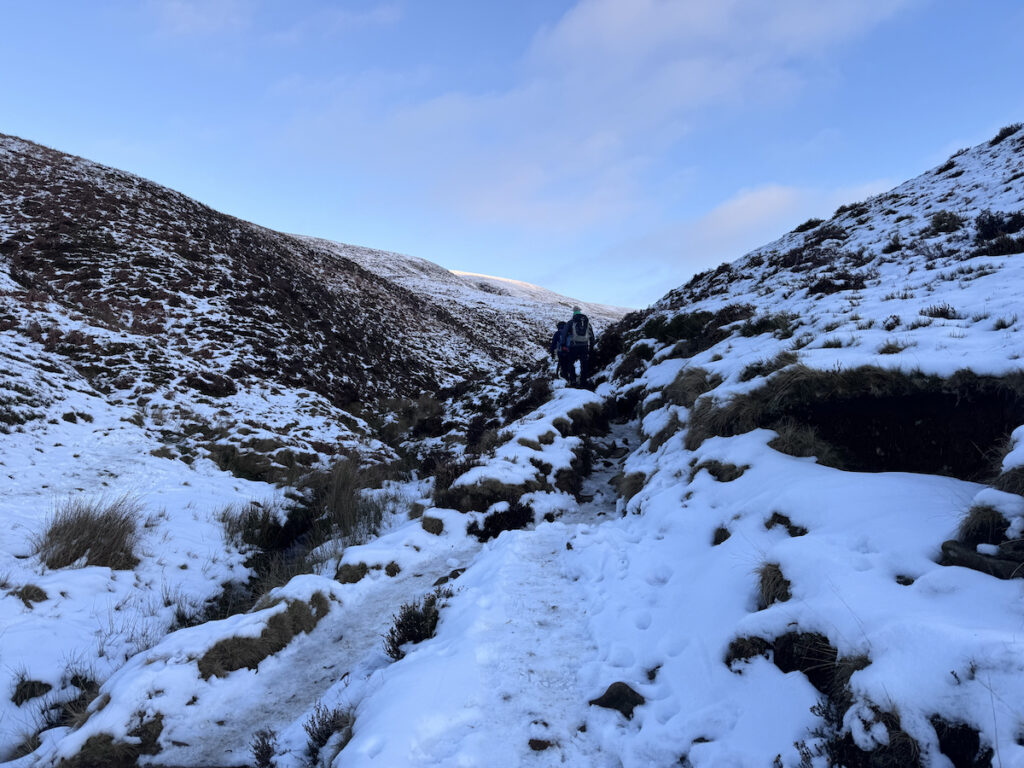
Perhaps the greatest legacy of the Kinder Mass Trespass is how ordinary walking in the Peak District now feels.
We can leave Hayfield and climb towards Kinder. We can walk across huge areas of open moorland. We can spend a few hours outside simply because we want some fresh air, exercise, solitude or time away from everyday pressures.
There is something particularly fitting about Kinder Scout becoming synonymous with access to the outdoors. Many of the original trespassers were working people looking for an escape from industrial towns and cities. Almost a century later, we increasingly recognise the physical and mental wellbeing benefits of spending time outdoors.
The landscape has changed, the laws have changed and walking equipment has certainly changed. But just like the ‘trespassers’ from 1932, we still have that simple desire to leave everyday life behind for a few hours and head for the hills.